
Stand Up for the Excluded
AI tools don't always work the same for everyone. A voice helper might not understand some accents, a face-scan might fail for darker skin, an app might only run on an expensive phone, captions might miss the words a deaf classmate needs. When a tool leaves someone out or treats them unfairly, the brave and kind thing is to stand up for them: notice who's left out, say the tool is at fault — not the person, speak up to a trusted grown-up or the people who made it, and find a fair way to include everyone.
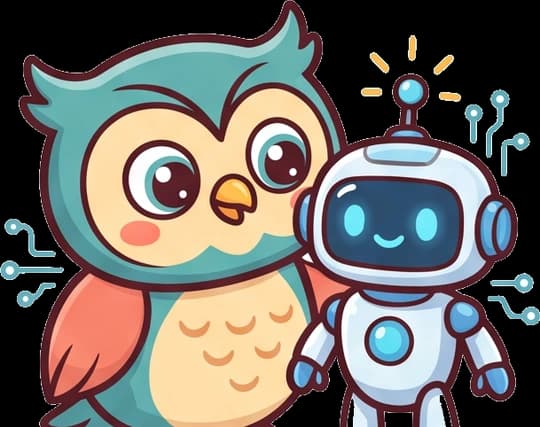
Kavi and the Helper That Couldn't Hear Pip
Kavi the owl and her friend Pip are trying a new voice helper. Kavi says "play my song" and it works. Pip tries — but Pip stutters, and the helper just… ignores him. Some kids start to giggle. Pip's ears droop. Kavi doesn't laugh. "Hang on," she hoots. "The helper is the one getting it wrong — not Pip." She tells their teacher, helps Pip type his song instead, and together they send a message to the people who made the app: please make it work for everyone. "A tool left my friend out," Kavi says, "so I'm standing up for him. No one gets left behind."
What your child will learn
A peek inside
Try this at home: What does it mean to 'stand up for the excluded' with AI?
Questions parents ask
+What does it mean to 'stand up for the excluded' with AI?
AI tools are built by people, and they don't always work the same for everyone. A tool can leave someone out or treat them unfairly — a voice helper that can't understand an accent, a face-scan that works worse for darker skin, an app that only runs on an expensive phone, captions that miss the words a deaf classmate needs. Standing up means four things: notice who's being left out or hurt; remember the TOOL is at fault, not the person; speak up to a trusted grown-up or report it to the people who made it; and find a fair way so the left-out person is included.
+Why would an AI tool harm or leave some people out?
A machine learns from the examples it is shown and runs the steps it was given. If the people who built it only thought about some users — or only trained it on some kinds of faces, voices or languages — it can work badly for everyone else. That is not the fault of the person it fails; it is a gap the makers left. Some face-recognition and voice tools really have worked less well for some groups, which is exactly why people need to notice it and speak up.
+How can a child stand up for someone kindly?
Calmly and clearly. Say the tool has a fault, not the person. Tell a trusted grown-up — a teacher or parent — and, where you can, send feedback to the people who made the tool so they can fix it. Then help in a practical way: pick a tool everyone can use, ask for captions or a transcript, or find a human helper. Standing up is not shouting or shaming anyone — it is refusing to leave a person behind.
+What age is this 'Stand Up for the Excluded' lesson for?
It is a Stage 6 lesson for roughly ages 11–12 in KAVI Academy's AI-literacy track — the top of primary, getting children secondary-ready. It builds on earlier ideas that a machine learns from examples, that one-sided examples make it unfair, and that only people carry responsibility for what a tool does.
+Is the lesson free?
Yes — this overview and the printable PDF handout are free. The full interactive lesson and the endless practice are part of KAVI Academy.
Ready to play and learn?
Start the free interactive lesson, or print the handout for screen-free play.
Part of AI Literacy · Stage 6 · S6 on KAVI Academy — a secular, whole-child learning platform for ages 5–12.