
Trust, Share, or Flag
Every answer, post, or message needs a decision — trust it and use it, share it on to others, or flag it to a trusted adult. This lesson gives you a clear rule for choosing, and the habit of always saying your reason.
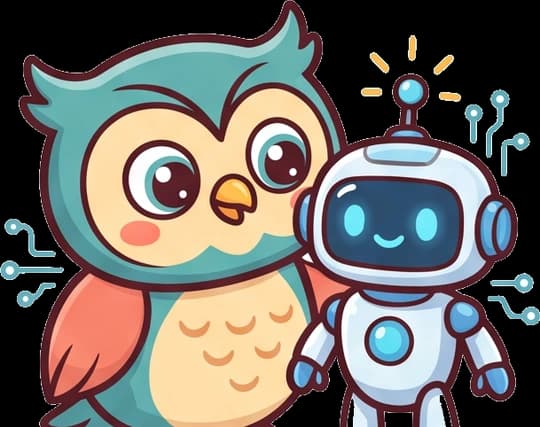
Kavi Decides: Trust, Share, or Flag
Three things reach Kavi in one morning. A trusted science site says, "A whale is a mammal." "Reliable and true, and I need it for my notes — I'll trust it," she hoots. Next, her teacher posts a kind, true study guide for tomorrow's class test. "True, safe, and it helps everyone — I'll share it." Then a pop-up flashes: "You won a phone! Type your password to claim it." Kavi's feathers ruffle. "That's a trick asking for a secret — I won't trust it or pass it on. I'll flag it and tell a grown-up." Three things, three choices — and every single time, Kavi says why.
What your child will learn
A peek inside
Try this at home: What are the three choices you can make about an answer or message?
Questions parents ask
+What does 'trust, share, or flag' mean?
It is a simple decision for any answer, post, or message. Trust it means you believe it and use it yourself. Share it means you pass it on to others. Flag it means you report it and tell a trusted adult. The skill is choosing the right one and saying why.
+When should a child flag something?
Flag it whenever something is wrong: it is fake, mean or bullying, scary, a scam, or it asks for private things like a password, home address, or a secret meeting. Flagging means not passing it on and telling a trusted adult.
+What is the difference between trusting and sharing?
You only share something you also trust — it must be true and safe first. You trust it when it is reliable and you need it for yourself. You share it when it is true, safe, and would also help or cheer someone else, and it is OK to pass on.
+Why should a child always give a reason?
Saying why — like 'I'll flag it because it asks for my password' — shows the choice was really thought through, not just a feeling. A clear reason also helps grown-ups and friends understand and check the decision.
+What age is this 'Trust, Share, or Flag' lesson for?
It is a Stage 6 lesson for roughly ages 11–12 in KAVI Academy's AI-literacy track. It builds on earlier lessons about checking a trusted source, catching confident mistakes, and cross-checking across sources.
Ready to play and learn?
Start the free interactive lesson, or print the handout for screen-free play.
Part of AI Literacy · Stage 6 · S6 on KAVI Academy — a secular, whole-child learning platform for ages 5–12.