
Models Drift
An AI learns from the world as it was at one moment — but the world keeps changing, so its answers slowly go out of date. That slow slide is called drift, and it is why every model must be checked and refreshed.
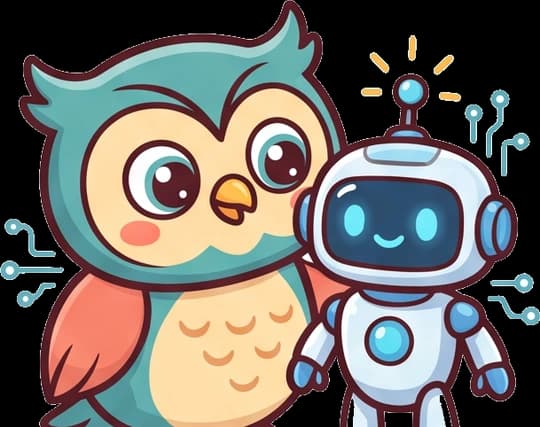
Kavi and the Weather That Moved On
Kavi the owl trains a little machine to guess tomorrow's weather from last year's skies — and at first it is brilliant! But seasons turn, new winds blow, and slowly its guesses start going wrong. "It didn't break," hoots Kavi, puzzled, then grinning. "The world moved on and my machine stood still — that is drift. So I must keep checking it on fresh skies and teach it again!"
What your child will learn
A peek inside
Try this at home: What does it mean when a model 'drifts'?
Questions parents ask
+What does it mean when an AI model 'drifts'?
A model learns its pattern from data gathered at one time — a snapshot of the world. As the world changes, that old pattern fits the new world worse and worse, so the model's answers quietly become less accurate. That slow slide out of date is called drift.
+Why do models drift over time?
Because the world keeps changing. New slang and words appear, prices rise, fashions change, spammers invent new tricks, and new kinds of photos and data show up. The model still uses the old pattern it learned, so it slowly stops matching reality.
+Why must a model be checked, and how?
Drift is usually silent — the model keeps answering confidently, so you cannot tell it is slipping without testing it. You check it by running fresh, recent, real examples through it and comparing its answers to what actually happened, then watching whether its accuracy is dropping.
+How do you fix a model that has drifted?
You retrain it with new, up-to-date data so it learns the world as it is now, and then you check it again. Because the world keeps changing, this is a repeating cycle, not a one-time job.
+Do all models drift?
No. A model about things that keep changing — trending songs, prices, slang — drifts and needs frequent checking. A model about fixed facts that never change, like 'a triangle has three sides' or 'a week has seven days', cannot drift.
+What age is this 'Models Drift' lesson for?
It is a Stage 6 lesson for roughly ages 11–12 in KAVI Academy's AI-literacy track — the top of primary, getting learners secondary-ready. It uses a story, sorting, comparing and predicting games, with light reading.
+Is the lesson free?
Yes — this overview and the printable PDF handout are free. The full interactive lesson and the endless practice are part of KAVI Academy.
Ready to play and learn?
Start the free interactive lesson, or print the handout for screen-free play.
Part of AI Literacy · Stage 6 · S6 on KAVI Academy — a secular, whole-child learning platform for ages 5–12.