
Include Everyone
A good AI works for everyone — not just some people. To check, try it with many different people and watch for anyone it leaves out. If it leaves people out, that's a problem to fix.
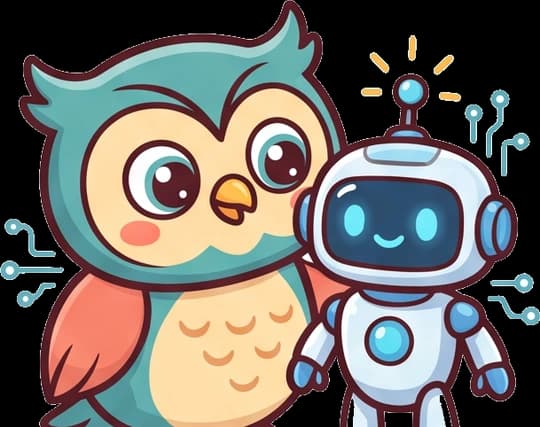
Kavi Checks Everyone Can Play
Kavi the owl builds a face game that unlocks with a smile. It works perfectly for her! But when her friend Amara — who has darker skin — tries, it won't open. "That's not right," hoots Kavi. "It works for me but it leaves Amara out." So before she shares it, Kavi checks it with lots of different friends and fixes it to see everyone's smile. "A good AI," she says, "includes everyone."
What your child will learn
A peek inside
Try this at home: How do you check that an AI includes everyone?
Questions parents ask
+What does it mean to check an AI 'includes everyone'?
It means testing whether the AI works for all kinds of people, not just some. You try it with people of different skin tones, voices, languages, and abilities, and you watch: does it leave anyone out? A good AI works for everyone; an AI that leaves people out is a problem to fix.
+How can an AI leave people out?
An AI learns from the examples it was shown, so if those examples only covered some people, it may work for them and fail for others — a camera that recognises light skin but not darker skin, a voice helper that understands only one accent, an app in only one language, or a drawing AI that only ever shows one kind of person. All of these leave real people out.
+What should a child do if an AI leaves someone out?
Don't blame the person who was left out — the AI is the problem. Tell a grown-up or the people who made it that it doesn't work for everyone, ask for the missing people to be added (more languages, more skin tones, sound and big-text options), and find another way to include your friend in the meantime.
+Why does it matter that an AI includes everyone?
Because an AI that works for some people but not others is unfair, and if everyone has to use it, the people it leaves out get shut out of things they need. Checking that it includes everyone — and speaking up when it doesn't — keeps tools fair for every kind of person.
+What age is this 'Include Everyone' lesson for?
It is a Stage 5 lesson for roughly ages 10–11 in KAVI Academy's AI-literacy track. It builds on earlier lessons about biased data and one-sided answers, and teaches children to actively check that an AI works for everyone and to help fix it when it doesn't.
Ready to play and learn?
Start the free interactive lesson, or print the handout for screen-free play.
Part of AI Literacy · Stage 5 · S5 on KAVI Academy — a secular, whole-child learning platform for ages 5–12.