
Don't Plagiarise
Copying someone's words or ideas and calling them your own is plagiarism. Learn the honest way to use others' work.
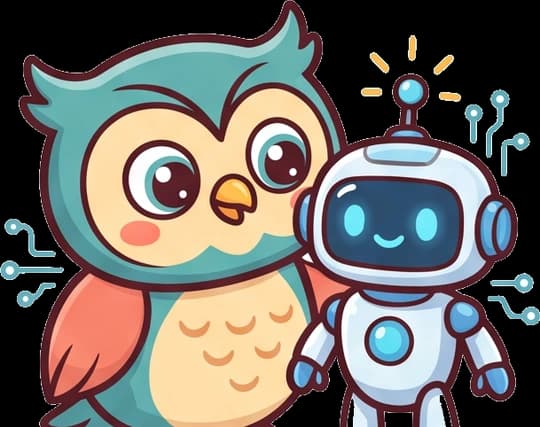
Kavi's Own Words
Kavi the owl reads a brilliant paragraph in a library book and is tempted to copy it straight into her report with just her name on top. She stops. "If I copy these words and call them mine, that's plagiarising — passing off someone's work as my own!" So she reads it until she really understands it, writes the idea in her own words, and names the book. "Now it's honest," hoots Kavi. "The words are mine, and the author still gets the credit!"
What your child will learn
A peek inside
Try this at home: What is plagiarism?
Questions parents ask
+What is plagiarism?
Plagiarism is taking someone else's words or ideas and presenting them as your own, with no credit. It can be copying a whole paragraph, or even taking just the idea — if you make it look like your own work and name no one, that is plagiarism.
+Is it still plagiarism if I change just a few words?
Yes. Swapping a few words in someone's sentence does not make the wording or the idea yours — you are still passing off their work as your own. To use it honestly you either quote their exact words and credit them, or learn the idea and write it fresh in your own words, still naming where it came from.
+Is copying only an idea — not the exact words — plagiarism too?
Yes. Plagiarism is not only about exact words. If you take someone's idea, argument, or discovery and claim you thought of it yourself, that is plagiarism as well. Name the person or source the idea came from.
+What are the honest ways to use someone's work?
There are two. First: quote their exact words inside quote marks and say who wrote them. Second: read it, understand it, and write it in your own words — then still credit the idea. Either way, the reader can always tell which parts are yours and which came from someone else.
+If an AI writes a paragraph and I hand it in as my own, is that plagiarism?
It is the same dishonesty: the words are not yours and you gave no credit for where they came from. Do the writing yourself, or say plainly that an AI wrote that part — never pass it off as your own work.
+What age is this 'Don't Plagiarise' lesson for?
It is a Stage 5 lesson for roughly ages 10–11 in KAVI Academy's AI-literacy track. It goes deeper than the earlier 'Give Credit' lesson by teaching that paraphrasing without credit, and copying an idea, are plagiarism too.
+Is the lesson free?
Yes — this overview and the printable PDF handout are free. The full interactive lesson and the endless practice are part of KAVI Academy.
Ready to play and learn?
Start the free interactive lesson, or print the handout for screen-free play.
Part of AI Literacy · Stage 5 · S5 on KAVI Academy — a secular, whole-child learning platform for ages 5–12.