
Ask for Consent
Before you use, share, or upload someone's data — their photo, message, voice, or words — you ask first and wait for a clear YES. That clear yes is called consent, and it protects your data and everyone else's.
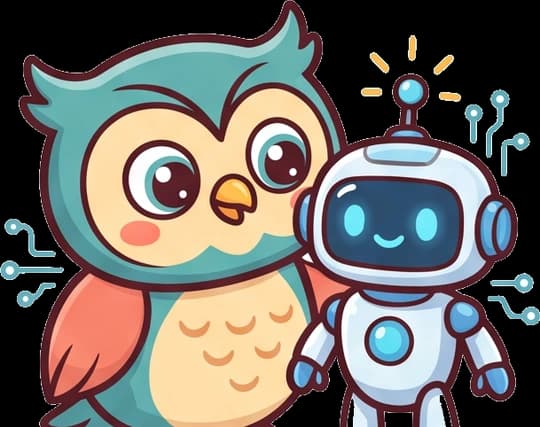
Kavi Asks First
Kavi the owl found a fun AI app that turns photos into cartoons. She almost uploaded a photo of her friend Bo — then stopped. "Wait — this is Bo's photo, not mine," she hooted. So she asked, "Bo, is it okay if I put your photo in this app to make a cartoon?" Bo grinned, "Yes!" "Always ask for consent first," said Kavi, "before you use anyone's data."
What your child will learn
A peek inside
Try this at home: What does it mean to ask for consent before using data?
Questions parents ask
+What does it mean to ask for consent before using data?
It means you ask the person first and wait for a clear 'yes' before you use, share, or upload their data — their photo, message, voice, name, or words. You tell them exactly what you plan to do, then only go ahead if they agree. If the data belongs to someone else, their yes is what makes it okay.
+Why isn't a shrug or silence the same as saying yes?
Because consent has to be a clear, free 'yes, go ahead'. A shrug, silence, or 'maybe' might mean the person is unsure, doesn't understand, or doesn't want to say no out loud. Without a clear yes you don't have consent — so you wait, ask again clearly, or leave it out.
+If a friend said yes once, can I use their photo for anything?
No. Consent is for the one use you asked about. A yes to showing one photo to a teacher is not a yes to posting it online or feeding it to an AI app — those are new, bigger uses. For a new use, you ask again. And if the person changes their mind, you stop, because consent can be taken back.
+Do I need consent before putting someone's photo into an AI tool?
Yes. An AI app may copy, change, or store what you upload, so putting a friend's photo, voice, or message into it is a real use of their data. Ask them first, tell them it's going into an AI tool, and only upload it if they give a clear yes. For your own private details — like your full name or address — check with a trusted grown-up before giving them to any site.
+What age is this 'Ask for Consent' lesson for?
It is a Stage 5 lesson for roughly ages 10–11 — part of KAVI Academy's AI-literacy track. It uses a story, sorting and decision games, and short reading. This overview and the printable PDF are free; the full interactive lesson and endless practice are part of KAVI Academy.
Ready to play and learn?
Start the free interactive lesson, or print the handout for screen-free play.
Part of AI Literacy · Stage 5 · S5 on KAVI Academy — a secular, whole-child learning platform for ages 5–12.