
Biased Toward a Group
An AI answer can favour one group — treating them as the normal, the best, or the only kind. Learn to notice which group it leans toward.
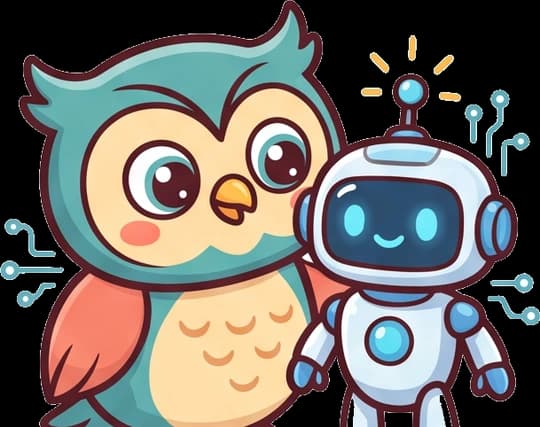
Kavi Spots a Lean
Kavi the owl asks a helper to "draw a scientist." Every single picture is an old man. "Hmm," hoots Kavi, "scientists can be women or men, young or old, from anywhere — but this only shows one group!" She tilts her head. "This answer is biased toward one kind of person. I'll notice who it favours — and who it quietly leaves out."
What your child will learn
A peek inside
Try this at home: What does it mean for an answer to be 'biased toward one group'?
Questions parents ask
+What does it mean for an AI answer to be 'biased toward a group'?
It means the answer favours one group — treating them as the normal or default, the best, or the only kind shown — while other groups are left out, ranked below, or treated as less. The answer leans toward one group instead of being fair to all.
+How is this different from a missing voice?
A missing voice is a group that got left out of an answer. Bias toward a group is when the answer actively leans toward one group — for example always calling a doctor 'he', or a tool that works well for one group and poorly for another. One is about who is absent; the other is about who is favoured.
+How can a child notice bias toward a group?
Ask one question: who does this answer treat as the default, the best, or the only kind? If the same group keeps winning — always the hero, always the example, always served better — the answer is biased toward that group.
+Why does bias toward one group matter?
It is unfair. Favouring one group can leave other groups out or treat them as less, and it can make the answer plain wrong for the many people it does not fit. Noticing who an answer leans toward is the first step to asking for a fairer one.
+What age is this 'Biased Toward a Group' lesson for?
It is a Stage 5 lesson for roughly ages 10–11 in KAVI Academy's AI-literacy track. It builds on earlier discernment lessons and teaches children to notice when an AI answer or result favours one group over others.
Ready to play and learn?
Start the free interactive lesson, or print the handout for screen-free play.
Part of AI Literacy · Stage 5 · S5 on KAVI Academy — a secular, whole-child learning platform for ages 5–12.