
Whose Voice Is Missing?
An AI answer can be true and still leave people out — so ask whose view is missing.
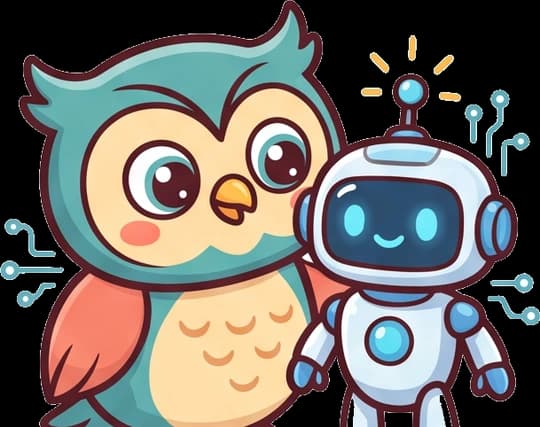
Kavi Asks Who Is Missing
Kavi the owl asks a helper, "What games do children love?" The helper answers fast — but every single game is from just one country. "Hmm," hoots Kavi, "that may be true for them… but whose voice is missing? What about children everywhere else?" So she asks again: "Can you include other countries too?" — and now the answer hears many more voices.
What your child will learn
A peek inside
Try this at home: What does it mean to ask 'whose view is missing?'
Questions parents ask
+What does 'whose voice is missing?' mean?
It means looking at an AI answer and asking which people, places, or groups were left out of it. An answer can be correct about what it shows and still leave out whole groups of people whose view was never heard.
+Can an AI answer be true but still leave a voice out?
Yes. If an AI describes 'what games children love' but only drew on examples from one country, every example may be true — yet children everywhere else, and other kinds of games, are missing. True is not the same as complete.
+How do you ask whose view is missing?
Read the answer and ask: who is NOT here? Which group, place, or kind of person got left out? Then ask the AI to include them — for example, 'Can you add other countries?' or 'What do kids who can't afford this think?'
+Why does a missing voice matter?
A one-sided answer can feel complete while quietly leaving people out, which is unfair and can be wrong. Noticing the missing voices and bringing them in makes an answer fairer and closer to the truth.
+What age is this 'Whose Voice Is Missing?' lesson for?
It is a Stage 5 lesson for roughly ages 10–11 in KAVI Academy's AI-literacy track. It builds on earlier lessons about confident mistakes and checking sources, and teaches children to spot a one-sided answer and ask for the view that is missing.
Ready to play and learn?
Start the free interactive lesson, or print the handout for screen-free play.
Part of AI Literacy · Stage 5 · S5 on KAVI Academy — a secular, whole-child learning platform for ages 5–12.