
Biased Data
An AI learns from the examples it is shown. If those examples are lopsided, its results come out biased and unfair — bias in, bias out.
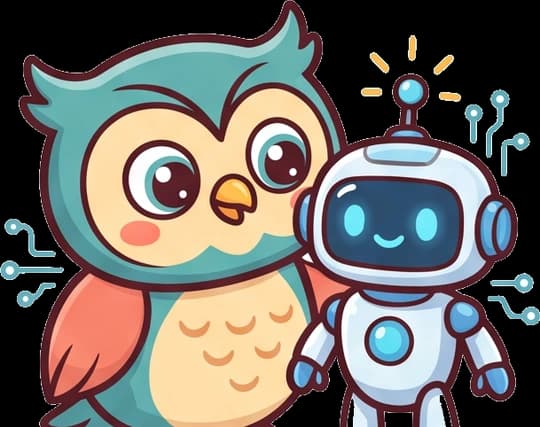
Kavi and the Lopsided Box
Kavi the owl trains a machine to spot a good runner. But her box of examples is lopsided — it is stuffed with photos of tall runners and almost no short ones. When a brilliant short runner races in, the machine shrugs: "Not a good runner." Kavi frowns. "That's not fair — it only ever SAW tall runners, so it decided good means tall!" The data was biased, so the result was biased too. "Bias in," hoots Kavi, "bias out. To be fair, a machine needs fair examples."
What your child will learn
A peek inside
Try this at home: What is biased data?
Questions parents ask
+What is biased data?
Biased data is a lopsided set of examples — it over-shows one kind or group and under-shows or leaves out the others. For example, a set of 'doctor' photos that only shows men is biased, because it leaves women out.
+Why does biased data lead to biased results?
An AI learns the pattern it sees most in its data. If the data is lopsided, the AI learns a lopsided pattern. It then works well for the group it saw a lot of, and poorly or unfairly for the group it barely saw. People call this 'bias in, bias out'.
+Can you give a simple example?
A face-unlock AI trained mostly on one group of faces unlocks well for that group but often fails for others. A voice helper trained on one accent struggles with other accents. The unfair result came straight from the biased data.
+How do you make an AI's results fairer?
Train it on balanced, representative data — examples from many groups, kinds and places, in fair amounts. Balanced data in gives fairer results out.
+What age is this 'Biased Data' lesson for?
It is a Stage 5 lesson for roughly ages 10–11 in KAVI Academy's AI-literacy track. It uses a story, sorting and predicting games, with light reading.
+Is the lesson free?
Yes — this overview and the printable PDF handout are free. The full interactive lesson and the endless practice are part of KAVI Academy.
Ready to play and learn?
Start the free interactive lesson, or print the handout for screen-free play.
Part of AI Literacy · Stage 5 · S5 on KAVI Academy — a secular, whole-child learning platform for ages 5–12.