
Think Before I Share
Before you post, send, or forward anything, run one quick check: is it KIND, is it TRUE, and is it SAFE? If all three are yes, share it. If even one is no, stop.
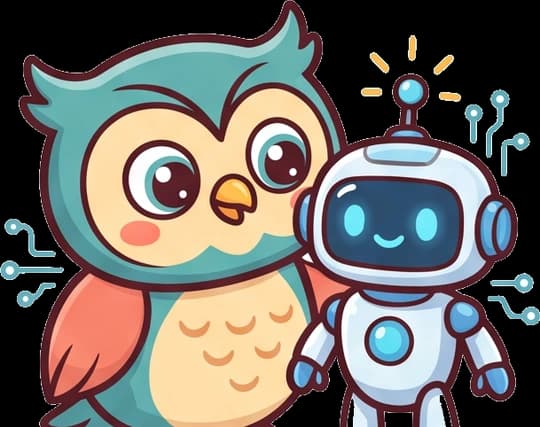
Kavi Stops to Check
A friend sends Kavi the owl a funny photo to forward to the whole class. Kavi's wing hovers over SEND — then she stops. "Wait," she hoots. "Is it kind? It teases Bo, so no." Kavi doesn't forward it. "Before I share, I check three things," says Kavi: "kind, true, and safe. If even one is no, I stop."
What your child will learn
A peek inside
Try this at home: What three things do you check before you share anything?
Questions parents ask
+What is the 'think before I share' check?
It is a quick three-part check you run before you post, send, or forward anything: Is it KIND — would it hurt or embarrass anyone? Is it TRUE — do I actually know it is real, or could it be made up? Is it SAFE — does it give away private things like a name, home, school, or password? If all three are yes, you can share. If even one is no, you stop and don't share.
+Why should a child think before sharing online?
Because once you post or forward something, you can't fully take it back — other people can copy and spread it. AI can also make fake pictures, messages, and stories that look very real. Running the kind-true-safe check keeps you from spreading something hurtful, something untrue, or something that gives away private information.
+What counts as 'private' and should not be shared?
Private things are details that could help a stranger find you or pretend to be you: your full name, your home address, your school, your phone number, passwords, and photos that show where you live or go. Keep these to yourself, and if you're not sure whether something is safe to share, ask a grown-up first.
+What age is this 'Think Before I Share' lesson for?
It is a Stage 4 lesson for roughly ages 9–10 — part of KAVI Academy's AI-literacy track. It uses a story, sorting and decision games, with reading.
+Is the lesson free?
Yes — this overview and the printable PDF handout are free. The full interactive lesson and the endless practice are part of KAVI Academy.
Ready to play and learn?
Start the free interactive lesson, or print the handout for screen-free play.
Part of AI Literacy · Stage 4 · S4 on KAVI Academy — a secular, whole-child learning platform for ages 5–12.