
Confident Tone Isn't Proof
A big, sure voice can sound convincing — but how something is SAID is not proof it's true. Check anyway!
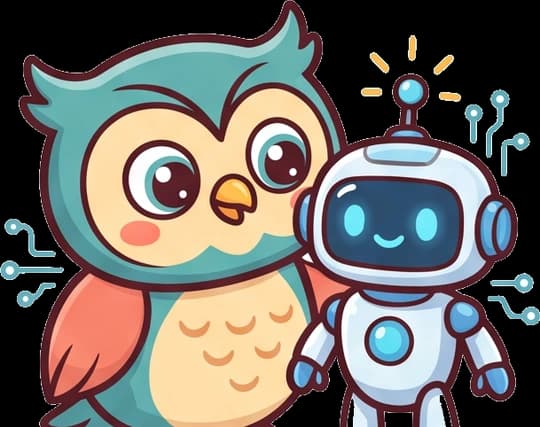
Kavi and the Sure Voice
Kavi the owl hears a helper boom, in a big sure voice: "A spider has six legs — obviously!" It sounded SO confident. "Hmm," hoots Kavi, "you sound very sure... but a spider has eight legs!" Kavi smiles. "A confident tone isn't proof. I'll always check anyway."
What your child will learn
A peek inside
Try this at home: Does a confident, sure-sounding tone prove that an answer is true?
Questions parents ask
+Does a confident tone prove something is true?
No. A confident tone is just how something is said — a big sure voice, fancy words, or lots of detail. Anyone, and any AI, can sound very sure and still be wrong. The only way to know is to check it against something you trust.
+Why can a confident tone fool us?
A sure, expert-sounding voice feels convincing, so we want to believe it. But confidence tells you HOW something was said, not WHETHER it is true. A confident tone sounds exactly the same whether the answer is right or wrong.
+How should a child respond to a very confident claim?
Don't take the tone as proof. Check it: does it match what you already know, a trusted book, or a grown-up you trust? If a helper very confidently says 'a spider has 6 legs', you can check — a spider has 8.
+What age is this 'Confident Tone Isn't Proof' lesson for?
It is a Stage 4 lesson for roughly ages 9–10 in KAVI Academy's AI-literacy discernment track. It builds on earlier lessons about confidently-wrong answers and checking a trusted source.
+Is the lesson free?
Yes — this overview and the printable PDF handout are free. The full interactive lesson and the endless practice are part of KAVI Academy.
Ready to play and learn?
Start the free interactive lesson, or print the handout for screen-free play.
Part of AI Literacy · Stage 4 · S4 on KAVI Academy — a secular, whole-child learning platform for ages 5–12.