
Confidently Wrong
A helper learns from lots of data and can sound VERY sure — and still be wrong. Learn to spot it!
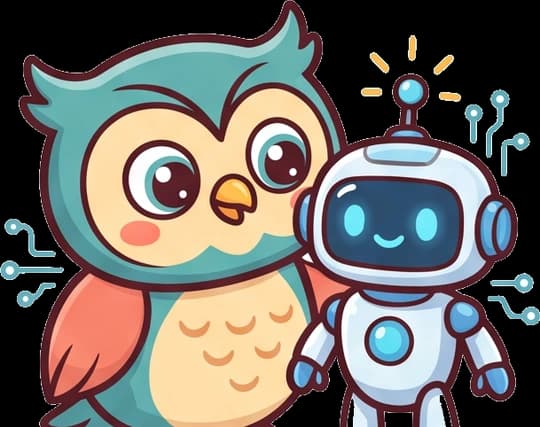
Kavi and the Sure Helper
Kavi the owl asks a helper, "How many legs does a spider have?" The helper answers right away, very sure: "Six!" Kavi tilts her head. "Hmm — a spider has eight legs. You sounded so sure, but you were wrong!" The helper had learned from lots of data, but it still got this one wrong. "Sounding sure," hoots Kavi, "is not the same as being right. Always check!"
What your child will learn
A peek inside
Try this at home: Can a helper sound very sure and still be wrong?
Questions parents ask
+Can an AI helper be wrong?
Yes. An AI helper learns a pattern from lots of data and then guesses. Its guess can be wrong, especially on something new or tricky. It can even sound very sure while it is wrong — that is called being 'confidently wrong'.
+Why does AI sound so sure even when it is wrong?
It is built to give a clear, tidy answer. A neat, confident-sounding answer is not proof that it is true. Sounding sure and being right are two different things.
+How can a child tell if a sure-sounding answer is wrong?
Don't trust it just because it sounds sure. Check it: does it match what you already know, and can you check it in a book or with a grown-up you trust? If a helper says 'a spider has 6 legs', you can check — a spider has 8.
+What age is this 'Confidently Wrong' lesson for?
It is a Stage 4 lesson for roughly ages 8–9 in KAVI Academy's AI-literacy track. It uses a story, sorting and deciding games, with light reading.
+Is the lesson free?
Yes — this overview and the printable PDF handout are free. The full interactive lesson and the endless practice are part of KAVI Academy.
Ready to play and learn?
Start the free interactive lesson, or print the handout for screen-free play.
Part of AI Literacy · Stage 4 · S4 on KAVI Academy — a secular, whole-child learning platform for ages 5–12.