
Right Often, Never Always
A machine can be right a LOT — but even a smart machine can get it wrong!
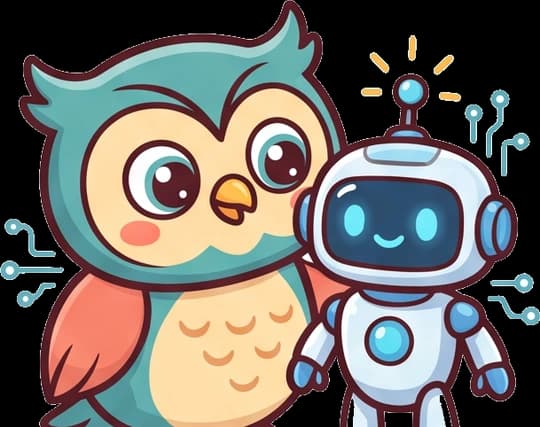
Kavi's Guessing Game
Kavi the owl plays with a photo app that guesses animals. "🐶 Dog!" it says — right! "🐱 Cat!" — right again! Kavi grins. Then she shows it a 🦊 fox. "🐶 Dog!" the app says. "Wrong!" hoots Kavi. "It was right a lot… but not always. Every guess can be wrong — so I always check!"
What your child will learn
A peek inside
Try this at home: Is a machine always right?
Questions parents ask
+Is a machine always right?
No. A machine can be right a LOT — many times in a row — but never always. Every guess it makes can be wrong. That is why we check a machine's answer instead of just trusting it.
+If a machine is right 9 times out of 10, is it always right?
No. Nine out of ten is right a lot, but one time it was wrong. 'Right a lot' is not the same as 'right always'. There is still a time it slips up.
+Why should children check what a machine says?
Because even a smart machine can be wrong. If kids know a machine is right often but never always, they learn to check its answer with their own eyes or ask a grown-up, instead of believing it every time.
+What age is this 'Right Often, Never Always' lesson for?
It is a Stage 3 lesson for roughly ages 7–8 in KAVI Academy's AI-literacy track. It uses a story and simple sorting and true-or-false games, with light reading.
+Is the lesson free?
Yes — this overview and the printable PDF handout are free. The full interactive lesson and the endless practice are part of KAVI Academy.
Ready to play and learn?
Start the free interactive lesson, or print the handout for screen-free play.
Part of AI Literacy · Stage 3 · S3 on KAVI Academy — a secular, whole-child learning platform for ages 5–12.