
Is It True?
An answer can look neat and sound sure — and still be wrong. Learn to check!
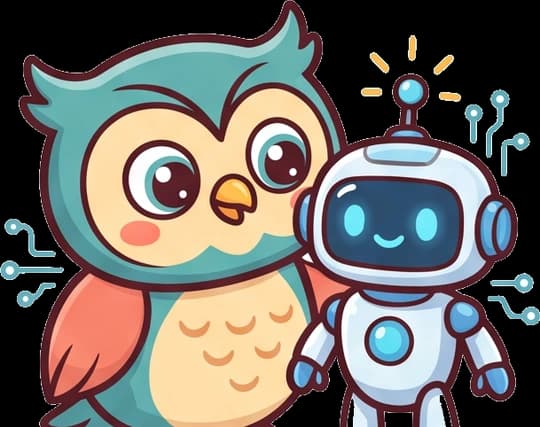
Kavi Double-Checks
Kavi the owl asks a helper, "How many legs does a spider have?" Back comes a neat, sure answer in big letters: "Six!" "It LOOKS sure," hoots Kavi, "but is it true?" She counts a real spider: 1-2-3-4-5-6-7-8. "Eight! The tidy answer was wrong. Always ask two things: does it match what I meant — and is it true?"
What your child will learn
A peek inside
Try this at home: A helper gives an answer very confidently. Does sounding sure mean it is true?
Questions parents ask
+Why can an AI answer look right but still be wrong?
An AI can write an answer that is long, neat and very confident, yet contains a fact that is simply not true. Looking good is not the same as being true, so children learn to check the answer against what they meant and against a trusted source.
+How do you check if an answer is true?
Ask two things: does it match what I actually meant, and is it really true? Then check it against something you trust — a book, a trusted grown-up, or two good sources that agree. Sounding sure is never proof.
+What age is this 'Is It True?' lesson for?
It is a Stage 3 lesson for roughly ages 8–9 in KAVI Academy's AI-literacy track. It builds on earlier lessons about spotting machine-made pictures and moves on to checking answers for truth.
+Why teach children to question AI answers?
AI tools can be confidently wrong. Teaching children to pause and verify — rather than copy an answer straight in — builds the discernment they need to use AI safely and honestly.
+Is the lesson free?
Yes — this overview and the printable PDF handout are free. The full interactive lesson and the endless practice are part of KAVI Academy.
Ready to play and learn?
Start the free interactive lesson, or print the handout for screen-free play.
Part of AI Literacy · Stage 3 · S3 on KAVI Academy — a secular, whole-child learning platform for ages 5–12.