
Fair Examples
Show a machine ALL kinds, not just one — and its guesses get fairer.
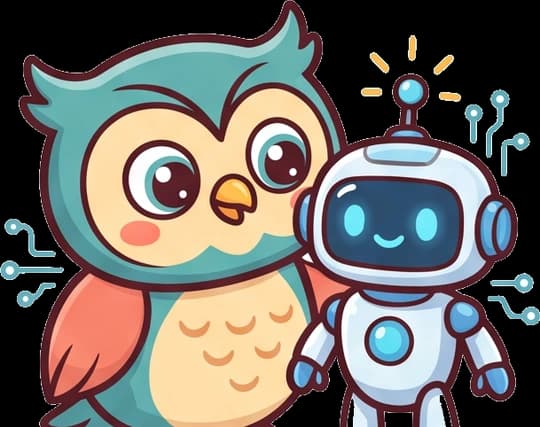
Kavi Teaches a Robot
Kavi the owl shows a robot lots of pictures to teach it the word dog 🐶. But Kavi only shows brown dogs! When a fluffy white dog walks by, the robot beeps: "Not a dog!" "Oops," hoots Kavi. "I only showed ONE kind. Let's show it all kinds — big, small, white, spotty — so its guesses are fair!"
What your child will learn
A peek inside
Try this at home: A robot only saw 🐕 brown dogs. Name a dog it might MISS.
Questions parents ask
+Why does a machine need lots of different examples?
A machine guesses by copying the examples it was shown. If it only sees one kind — like only red apples — it may not know a green apple is an apple too. Showing all kinds (red, green, yellow) helps it make fair guesses about things it has not seen before.
+What happens if a robot only sees one kind of example?
Its guesses can be unfair. A robot taught 'dog' with only big brown dogs might miss a small white dog. The fix is simple: show it all kinds of dogs, not just one.
+What age is this 'Fair Examples' lesson for?
It is a Stage 2 lesson for roughly ages 6–7 in KAVI Academy's AI-literacy track. It uses a story and sorting games, with very little reading required.
+How does this teach AI fairness?
Children learn that machines copy their examples, so the examples must include everyone and every kind. This is the first, concrete idea behind fairness and bias in AI — taught at a kid's level.
+Is the lesson free?
Yes — this overview and the printable PDF handout are free. The full interactive lesson and the endless practice are part of KAVI Academy.
Part of AI Literacy · Stage 2 · S2 on KAVI Academy — a secular, whole-child learning platform for ages 5–12.