
My Own Try First
Give it your own try first — then a tool can help. You go first!
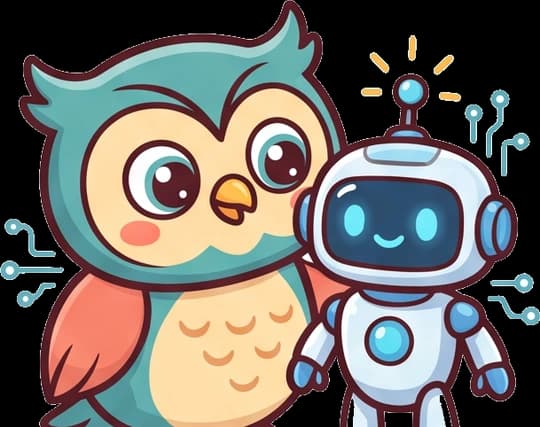
Kavi Has a Go First
Kavi the owl has a sum to do: 3 + 4. The calculator 🧮 is right there — but Kavi does NOT grab it yet. First Kavi stops and says, "I'll give it my own try first!" Kavi counts in her head… "Seven!" Then she taps the calculator to check. "My try first — then a tool helps!" hoots Kavi happily.
What your child will learn
A peek inside
Try this at home: You have the sum 3 + 4. What do you do FIRST — have your own try, or grab the calculator?
Questions parents ask
+What does 'try it myself first' mean?
It means giving a task your own attempt — thinking it through and having a go — before you reach for a tool like a calculator, a spell-checker, or a helper. The tool still helps, but your own try comes first. A simple cue for kids: 'My try first, then a tool.'
+Why should children try first before using a tool?
Trying first is how your brain learns and gets stronger. If a tool does everything for you, you miss the chance to practice. When you try first and then let a tool check or finish, you learn more and the tool helps better.
+What age is this 'My Own Try First' lesson for?
It is a Stage 2 lesson for roughly ages 6–7 — part of KAVI Academy's AI-literacy track. It uses a story and games, with very little reading required.
+Why teach 'try first' as AI literacy?
AI and other tools are powerful helpers, but children should stay the thinker — giving their own try first and using the tool to help, not to do all the work. This habit keeps kids in charge of their own learning.
+Is the lesson free?
Yes — this overview and the printable PDF handout are free. The full interactive lesson and the endless practice are part of KAVI Academy.
Part of AI Literacy · Stage 2 · S2 on KAVI Academy — a secular, whole-child learning platform for ages 5–12.