
People First
Use a tool for kind and good things — and remember, people come first!
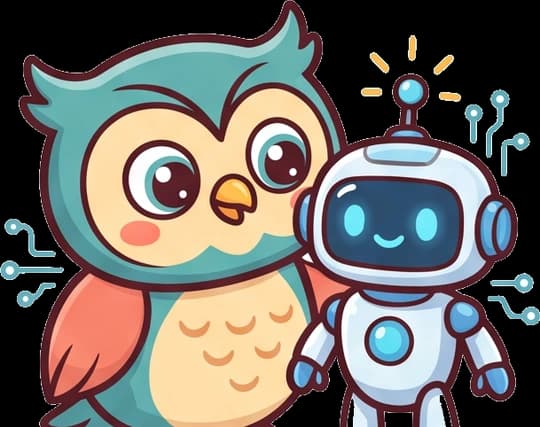
Kavi Makes a Card
Kavi the owl uses a drawing app 🎨 to make a bright thank-you card for Grandma — then hears a friend crying in the next room. Kavi puts the tablet down right away and goes to help 🤗. "A tool is for kind and good things," hoots Kavi, "and when a friend needs me, people come first!"
What your child will learn
A peek inside
Try this at home: Circle the kind use of a drawing app: 💛 make a thank-you card 😜 draw to tease a friend 👻 draw to scare someone
Questions parents ask
+What does 'use a tool kindly, people first' mean for kids?
It means two things. First, use a tool — like a tablet, camera or drawing app — for kind and good things that help or make someone happy, not for mean or unsafe things. Second, people come first: a real friend or family member matters more than any machine, which can always wait.
+How do I teach a child to use a tool kindly?
Give them one simple test to ask: 'Does this help someone or make someone happy?' If yes, it is a kind and good use. If it would tease, hurt or trick a person, it is not kind. Pair that with 'people come first' — if a real person needs you, the machine can wait.
+What age is this 'People First' lesson for?
It is a Stage 2 lesson for roughly ages 6–7 in KAVI Academy's AI-literacy track. It builds on the Stage 1 idea that a machine is just a helper, and uses a story and sorting games with very little reading.
+Why is 'people first' part of AI literacy?
AI tools can be fun and helpful, but they are still just helpers. Teaching children early that people come first — and that tools are for kind, good things — builds the values they need to use any technology, including AI, well and safely.
+Is the lesson free?
Yes — this overview and the printable PDF handout are free. The full interactive lesson and the endless practice are part of KAVI Academy.
Part of AI Literacy · Stage 2 · S2 on KAVI Academy — a secular, whole-child learning platform for ages 5–12.