
Think First, Then Say
Make your own idea first — then be honest and say when a tool helped you.
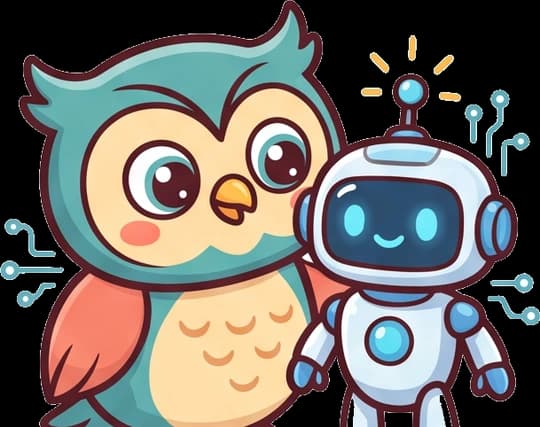
Kavi Says Thank You, Tool
Kavi the owl wants to count the stars ⭐. First Kavi stops and thinks: "I will try it my own way first!" Kavi counts a few, then a little counting tool 🧮 helps with the big number. When a friend asks, Kavi smiles and says the truth: "I thought first — and the tool helped me too!" Thinking first, then saying it. That is honest.
What your child will learn
A peek inside
Try this at home: What do you do FIRST — make your own idea, or grab a tool?
Questions parents ask
+What does 'think first, then say a tool helped' mean?
It means two steps: first you make your own idea or try the work yourself, then — if a tool like a calculator or a spell-checker helped you — you honestly say so. Thinking first keeps the idea yours; saying a tool helped keeps you honest.
+Why should children say when a tool helped them?
Being honest about help is a key habit for using any tool, including AI helpers. It teaches kids the idea is still theirs, that help is nothing to hide, and that telling the truth about who helped is the kind thing to do.
+What age is this 'Think First, Then Say' lesson for?
It is a Stage 2 lesson for roughly ages 6–7 — part of KAVI Academy's AI-literacy track. It uses a story and games, with very little reading required.
+How is this AI literacy?
Before children use AI helpers, they need the habit of thinking first and honestly naming the help they got. This lesson builds that honesty habit with everyday tools, so it carries over to AI.
+Is the lesson free?
Yes — this overview and the printable PDF handout are free. The full interactive lesson and the endless practice are part of KAVI Academy.
Part of AI Literacy · Stage 2 · S2 on KAVI Academy — a secular, whole-child learning platform for ages 5–12.